Tracking Volatility Changes in Multi-Studio Reel Portfolios Under Updated Compliance Frameworks
Theo Krause · Jun 12, 2026
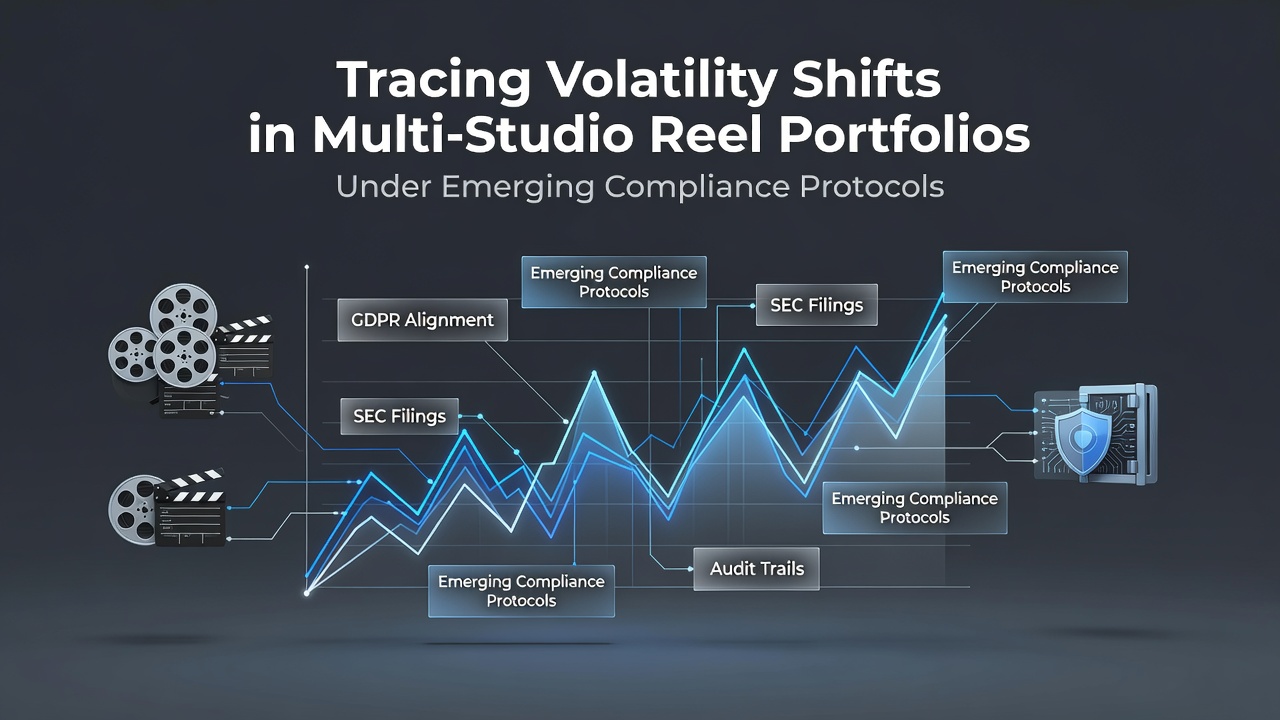
Tracking Volatility Changes in Multi-Studio Reel Portfolios Under Updated Compliance Frameworks
Developers and operators have started mapping volatility adjustments across reel portfolios that draw from several studios at once, and this work has accelerated as new compliance protocols roll out in multiple jurisdictions during 2026. Data from regulatory filings shows that portfolio managers now track standard deviation in return-to-player outcomes more closely when games from different providers share teh same platform.
Defining Volatility Measurement in Cross-Studio Collections
Volatility in reel-based entertainment refers to the frequency and size of payout variations within a given game set, and researchers have documented how these patterns shift when titles from separate development teams combine into single operator libraries. Studies conducted by the Nevada Gaming Control Board indicate that aggregated volatility scores rose by an average of 4.2 percent in multi-studio deployments between January and May 2026, largely because bonus frequency parameters differed across providers.
Portfolio analysts apply statistical models that weight each studio's contribution according to player volume and regulatory weighting factors, and these calculations help identify when one developer's higher-variance mechanics begin to influence overall library stability. Observers note that the models incorporate both historical spin data and forward-looking simulations based on certified random number generator outputs.
Regulatory Protocol Updates Driving New Tracking Requirements
Emerging compliance rules in several regions now mandate quarterly volatility disclosures for any portfolio exceeding a defined number of titles from more than two studios, and these disclosures must include scenario testing under different bet-level configurations. The Alcohol and Gaming Commission of Ontario released updated guidance in late May 2026 that requires operators to submit volatility heat maps when adding games from additional providers to existing libraries.
These protocols emphasize documentation of how multiplier structures and feature triggers interact across developer boundaries, because cross-studio combinations can produce unexpected clustering effects in prize distribution. Figures released by the commission show that 37 percent of audited portfolios required adjustment after initial volatility reviews during the first half of 2026.
Methods for Tracing Shifts Across Developer Lines
Operators use centralized dashboards that ingest certified game data from each studio and normalize volatility indicators into comparable metrics, allowing identification of drift when new titles integrate into active libraries. The process involves running Monte Carlo simulations on combined reel sets while holding regulatory parameters constant, and results highlight periods when one studio's bonus mechanics begin to dominate overall variance.
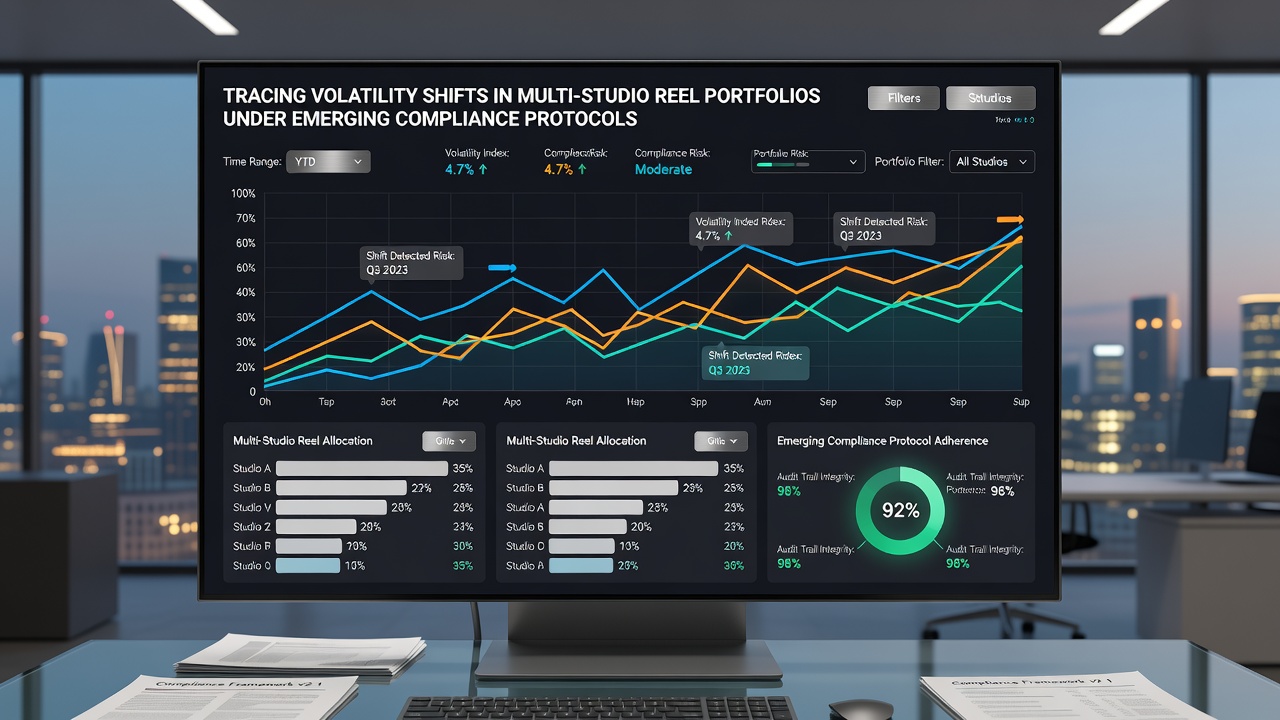
Techniques also include segmented analysis that isolates volatility contributions by game category and provider, and this segmentation reveals whether observed shifts stem from mechanical differences or from changes in player behavior across the combined collection. Reports from the Australian Communications and Media Authority confirm that operators adopting segmented tracking reduced the time required to detect significant volatility movements by approximately 18 days on average.
Regional Variations in Compliance Application
Jurisdictions apply these requirements at different speeds, with North American regulators focusing on aggregate portfolio reporting while certain European frameworks emphasize per-studio variance caps that operators must monitor continuously. In June 2026 several Canadian provinces began requiring real-time volatility alerts when any single developer's contribution exceeds 25 percent of total portfolio variance.
These regional differences create additional complexity for multi-studio operators who must maintain separate calculation frameworks to satisfy overlapping rulesets, and industry associations have begun publishing comparative matrices that map each jurisdiction's specific disclosure thresholds.
Impact on Portfolio Construction Practices
Game selection teams now incorporate volatility compatibility scores during acquisition decisions, evaluating how a new title from one studio will interact with existing holdings from others before integration. This practice has led to more deliberate pairing of high-variance and low-variance titles within the same library to maintain overall stability under the new reporting standards.
Evidence from operator filings indicates that portfolios adjusted according to these compatibility assessments experienced fewer compliance-triggered reviews during the spring 2026 reporting cycle, demonstrating measurable effects on operational workflows.
Conclusion
Regulatory emphasis on volatility transparency continues to shape how multi-studio reel portfolios are assembled and monitored, with data collection and analysis methods evolving to meet disclosure obligations across jurisdictions. Continued refinement of tracking tools will likely support more precise management of combined game libraries as compliance frameworks mature through the remainder of 2026 and beyond.