Symbol Dynamics in Cross-Studio Progressive Systems and Their Impact on Retention Patterns Under Regional Compliance Frameworks
Theo Krause · Jun 26, 2026
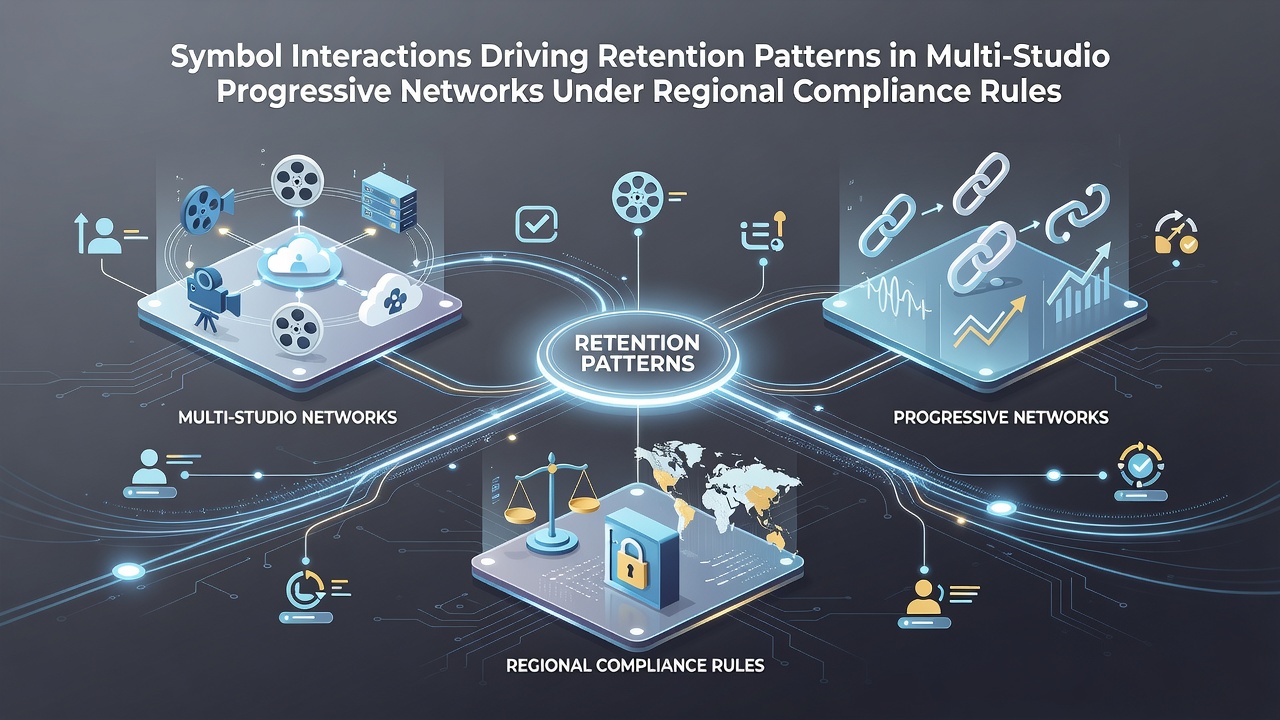
Symbol Dynamics in Cross-Studio Progressive Systems and Their Impact on Retention Patterns Under Regional Compliance Frameworks
Symbol interactions within multi-studio progressive networks operate through interconnected prize pathways that link outcomes across developer portfolios, and these mechanics directly influence how retention patterns form under varying regional compliance rules. Data from industry tracking shows that when symbols from one studio trigger modifiers that affect progressives managed by another developer, player engagement metrics shift in measurable ways, particularly in jurisdictions where licensing frameworks dictate the timing and visibility of those interactions.
Mechanics of Symbol Interactions Across Developer Portfolios
Progressive networks rely on shared jackpot pools where symbols serve as the primary drivers of contribution rates and trigger events, yet each studio brings distinct design rules to the shared system. Observers note that a wild symbol from one portfolio might expand to cover additional reels while simultaneously advancing a communal meter controlled by a second studio's engine, and this layering creates retention loops because players encounter more frequent feedback cycles. Research indicates that such cross-studio synergies increase session duration when the combined mechanics stay within the display constraints imposed by regional regulators, whereas mismatched symbol behaviors can fragment attention and reduce repeat visits.
Regional Compliance Rules Shaping Feature Deployment
Compliance requirements differ sharply across markets, and these differences alter which symbol combinations reach players. In North American regulated environments, for instance, the Nevada Gaming Control Board requires clear disclosure of how each studio's symbols contribute to the progressive before any shared feature activates. Meanwhile, authorities in Ontario apply stricter testing intervals for multiplier layering that involves multiple developers, forcing networks to pause or reconfigure interactions until certification clears. Those who've studied deployment logs find that networks operating under unified compliance standards across borders experience steadier retention curves because symbol behaviors remain predictable for returning players, while fragmented rulesets produce noticeable dips in activity during transition periods.
What's interesting is how June 2026 updates to cross-border reporting standards have begun to standardize the audit trails for symbol-triggered events, allowing multi-studio networks to synchronize their progressive meters without violating local display mandates. This alignment reduces the lag between symbol activation and jackpot contribution updates, and figures from network operators reveal a corresponding stabilization in player return rates during the first quarter after implementation.
Retention Patterns Linked to Symbol Synergies
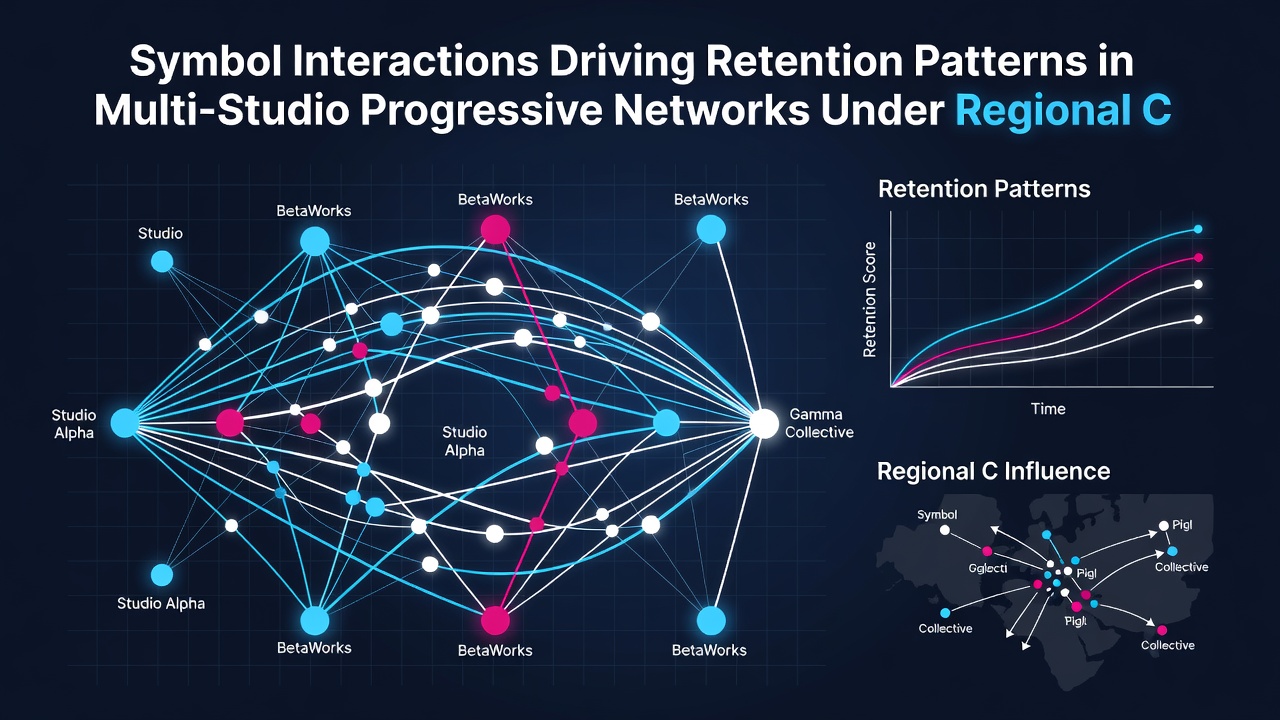
Retention data consistently ties higher repeat-play percentages to networks where symbol clusters from separate studios feed into the same progressive ladder. One documented case involved three developers whose combined symbol set produced chained bonus entries; players who triggered an initial cluster from the first studio often continued sessions to pursue the layered outcomes from the remaining two. According to reports issued by the American Gaming Association, networks employing these chained mechanics recorded a 12 percent lift in weekly active users compared with single-studio progressives operating under identical compliance ceilings.
Yet compliance boundaries sometimes cap the depth of these interactions. Australian regulatory bodies, for example, limit the maximum symbol expansion range when multiple studios contribute to a single meter, and this restriction channels retention through shorter but more frequent engagement windows rather than extended chase sequences. Those monitoring player telemetry observe that the shorter cycles maintain steadier daily retention while extended sequences, when permitted, concentrate activity into fewer but longer sessions.
Cross-Platform Network Adjustments in 2026
By June 2026 several multi-studio networks had adjusted symbol weighting tables to satisfy simultaneous requirements from multiple licensing authorities without disrupting progressive accumulation rates. These adjustments preserved the core interaction logic while shifting probability curves so that compliance thresholds for feature frequency remained intact. Evidence from operational dashboards shows that such recalibrations preserved overall retention levels even as individual regional rule sets tightened disclosure requirements around symbol contributions.
Conclusion
Symbol interactions across multi-studio progressive networks continue to serve as the central mechanism linking compliance frameworks to measurable retention outcomes. Networks that successfully align cross-developer symbol behaviors with the distinct demands of each regulatory region maintain more consistent player return patterns, while those facing repeated reconfiguration cycles experience temporary fragmentation in engagement data. As reporting standards evolve, the ability of these networks to deliver synchronized symbol experiences under unified compliance conditions will determine how retention metrics develop in subsequent periods.