Symbol Cluster Mechanics in Networked Prize Systems Across Developer Portfolios
Theo Krause · May 31, 2026
Symbol Cluster Mechanics in Networked Prize Systems Across Developer Portfolios
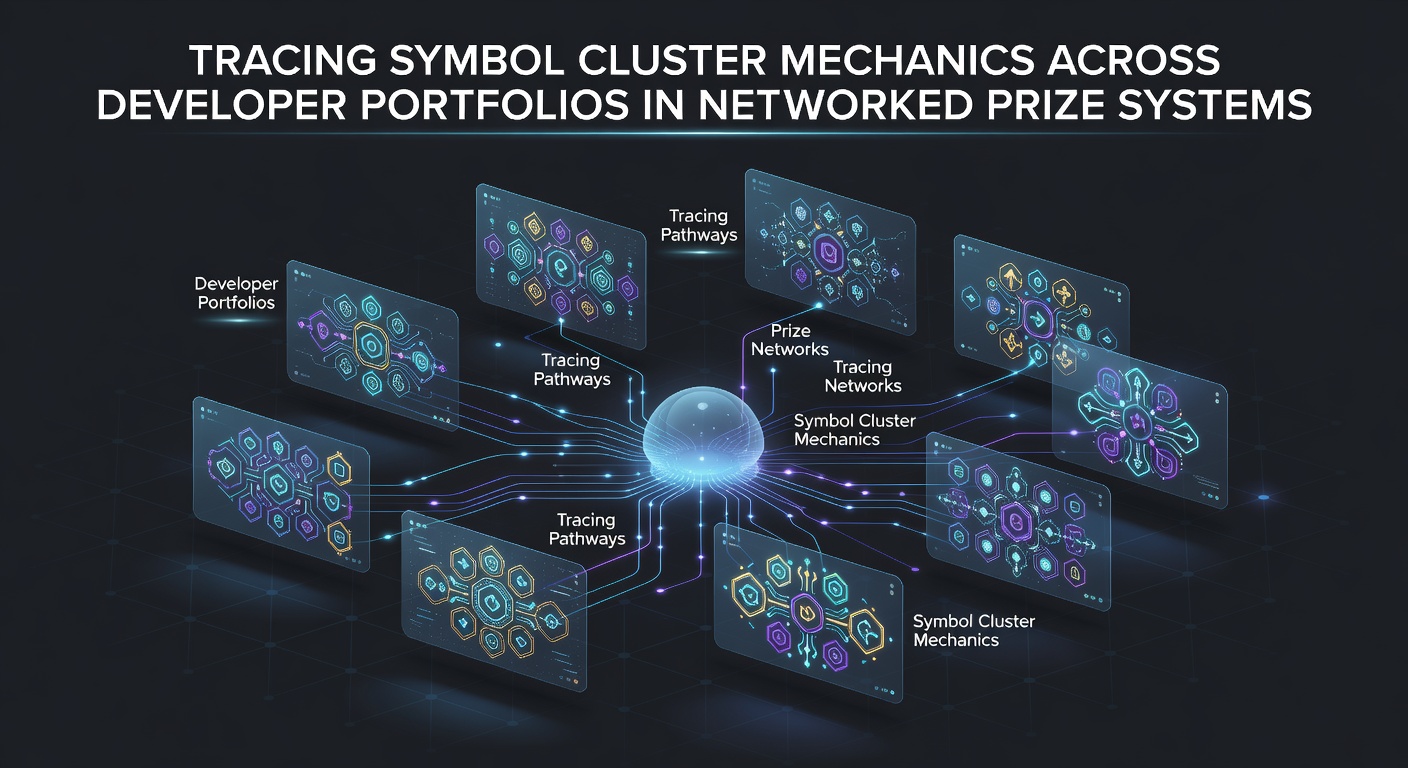
Symbol cluster mechanics operate as core components in networked prize systems where developers integrate matching patterns across portfolios to activate shared rewards, and these systems connect games through centralized servers that distribute outcomes based on cluster formations rather than isolated reel spins. Research from industry reports shows that clusters typically require three or more adjacent symbols to trigger base prizes while larger groupings feed into progressive pools that span multiple titles from the same developer group.
Core Mechanics of Cluster Formation
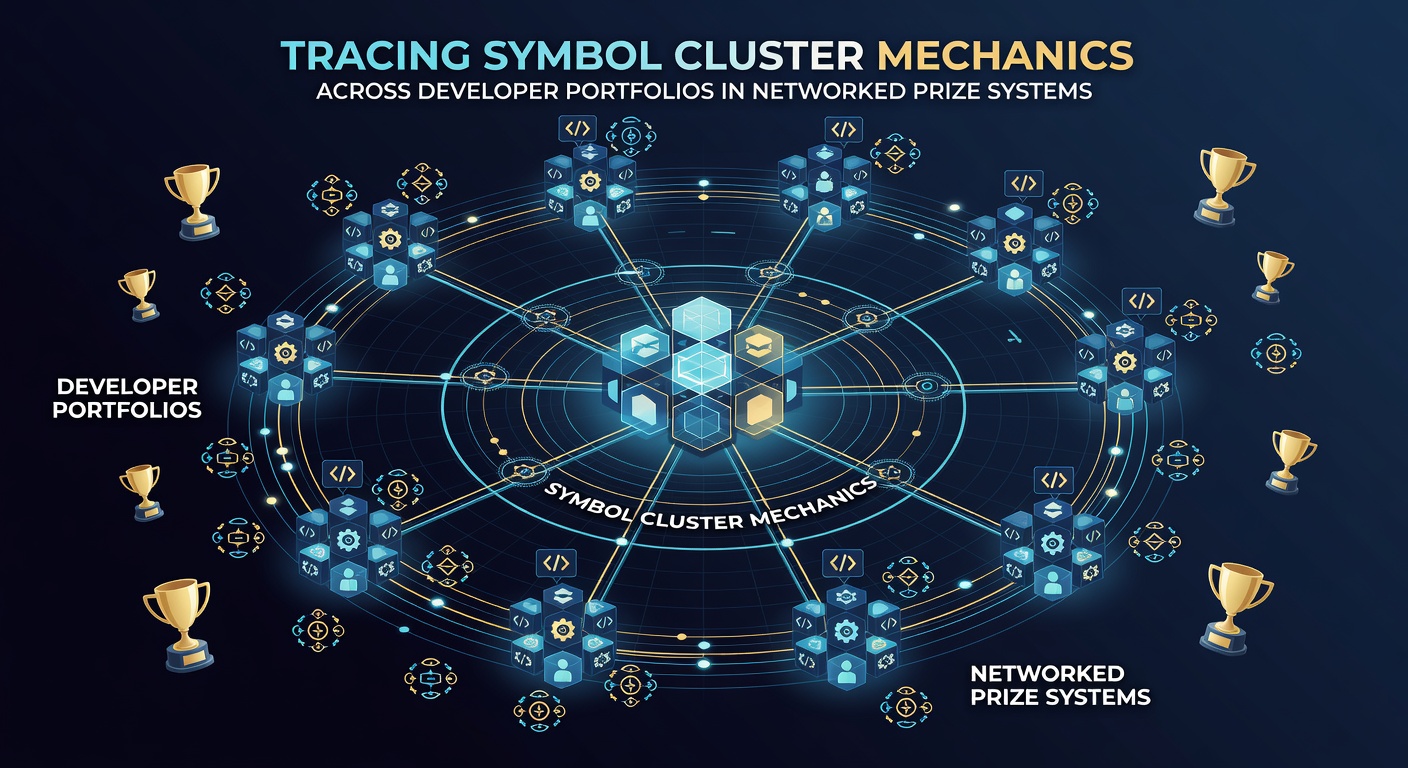
Developers structure clusters using grid-based layouts where symbols align horizontally, vertically, or diagonally, and the process begins when random number generators populate the grid with predefined symbol sets that include wilds and multipliers to expand potential groupings. Data from gaming technology analyses indicate that cluster size thresholds vary by portfolio with some studios setting minimums at four symbols for standard payouts whereas others incorporate cascading removals that refill the grid and build successive clusters within a single round. Observers note that these mechanics allow prize calculations to scale exponentially because each additional symbol in a cluster multiplies the base value before distribution across the network.
Portfolio Integration Patterns
Across developer portfolios, symbol clusters link through shared asset libraries where common icon sets appear in multiple games yet receive unique weighting to maintain thematic consistency while feeding data into a central prize ledger. One study revealed that studios synchronize cluster triggers by embedding identical probability tables in their engines so that a large cluster in one title directly contributes to the networked jackpot meter visible in connected platforms. Those who've examined these systems find that cross-portfolio updates occur during scheduled maintenance windows, and such updates adjust cluster payout ratios without altering the underlying network architecture.
Networked prize systems aggregate cluster data from disparate games into unified pools, and this aggregation relies on real-time APIs that transmit results from individual sessions to a master server every few milliseconds. Figures from regulatory filings show participation rates climbing steadily through early 2026 with May 2026 projections estimating an additional 12 percent increase in connected terminals across North American markets. The American Gaming Association has documented how these networks reduce variance for operators because cluster contributions from high-volume titles stabilize the overall prize distribution.
Developer-Specific Implementation Approaches
Leading studios apply distinct algorithms when embedding cluster logic into their portfolios with some prioritizing dense symbol packing that favors frequent small clusters while others emphasize sparse distributions that build toward infrequent but substantial network payouts. Evidence suggests that portfolio managers test cluster density through simulation runs exceeding one million spins before deployment, and the results guide adjustments to symbol frequency tables that balance player engagement metrics with network stability requirements. Turns out these tests also incorporate regional regulatory parameters, and compliance teams verify that cluster mechanics align with payout percentage mandates issued by bodies such as the Nevada Gaming Control Board.
Additional developers incorporate hybrid cluster systems that blend traditional payline structures with free-form groupings, and this hybrid approach appears in titles released after 2024 where legacy assets merge with newer grid engines. Researchers discovered that such mergers require careful mapping of symbol overlap rules to prevent unintended double-counting when clusters span both legacy and modern game modules. What's interesting is the way these mappings influence overall network throughput because each verified cluster event updates the shared prize ledger in sequence rather than in parallel batches.
Network Stability and Data Flow
Networked prize systems maintain stability through redundant server clusters that mirror cluster data across geographic locations, and failover protocols activate within seconds if primary nodes detect latency spikes during high-traffic periods. Reports from the Australian Gambling Research Centre highlight how data integrity checks occur at the end of every gaming session to confirm that all cluster contributions reach the central ledger without packet loss. Those monitoring these flows observe that encryption layers protect transmission while allowing rapid reconciliation of prize amounts owed to individual operators.
Portfolio updates in May 2026 introduced refined cluster detection scripts that reduce false positives in symbol adjacency calculations, and these scripts rely on improved edge-detection routines that account for diagonal connections more accurately than previous versions. Industry organizations note that the refinements coincide with expanded mobile platform support where touch-screen interactions must register cluster selections without introducing input delays. The Malta Gaming Authority has referenced similar technical standards in its guidance documents for networked gaming products distributed within European markets.
Conclusion
Symbol cluster mechanics continue to evolve within networked prize systems as developers refine portfolio integration strategies and data synchronization protocols. Current implementations demonstrate measurable impacts on prize distribution patterns across connected environments, and ongoing technical adjustments address both regulatory compliance and operational efficiency. Observers track these developments through public filings and technical disclosures that detail cluster performance metrics without revealing proprietary algorithms.