Sound Design Shifts in Cross-Developer Reel Platforms and Their Influence on Engagement Data
Theo Hughes · Aug 21, 2026
Sound Design Shifts in Cross-Developer Reel Platforms and Their Influence on Engagement Data
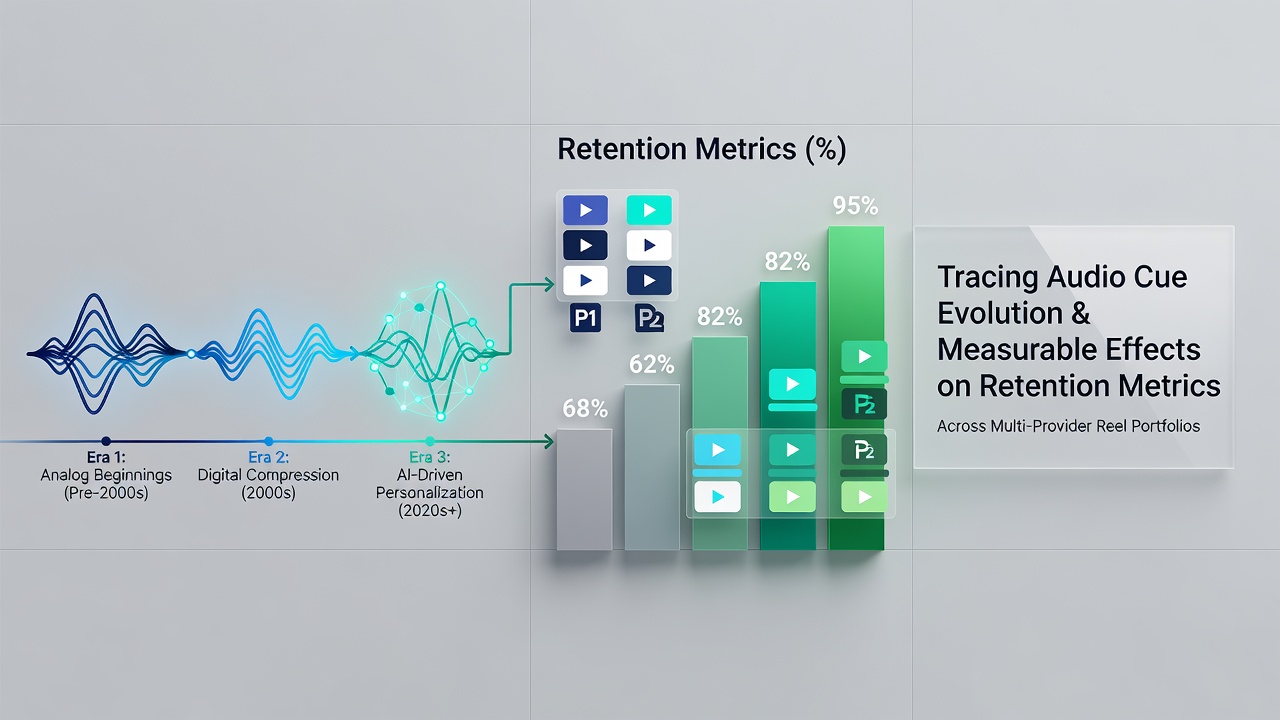
Audio elements in multi-provider reel portfolios have undergone steady transformation since the early 2010s, moving from basic looped tracks to layered, adaptive soundscapes that respond to player actions and session length. Providers such as those supplying North American and European markets integrated these changes gradually, with data from aggregated platform reports indicating measurable correlations between audio updates and session duration metrics.
Early Audio Implementations and Initial Retention Patterns
Initial reel offerings relied on simple mechanical-style chimes and static background loops that repeated without variation, while retention figures from that period showed average session times hovering around eight to twelve minutes across several aggregated datasets. As digital platforms expanded, developers began incorporating variable pitch adjustments and trigger-specific sounds that aligned with reel stops or bonus activations, and platform analytics from 2018 through 2022 documented incremental lifts in repeat visit rates ranging from four to seven percent following these introductions.
Layered Soundscapes and Cross-Provider Integration
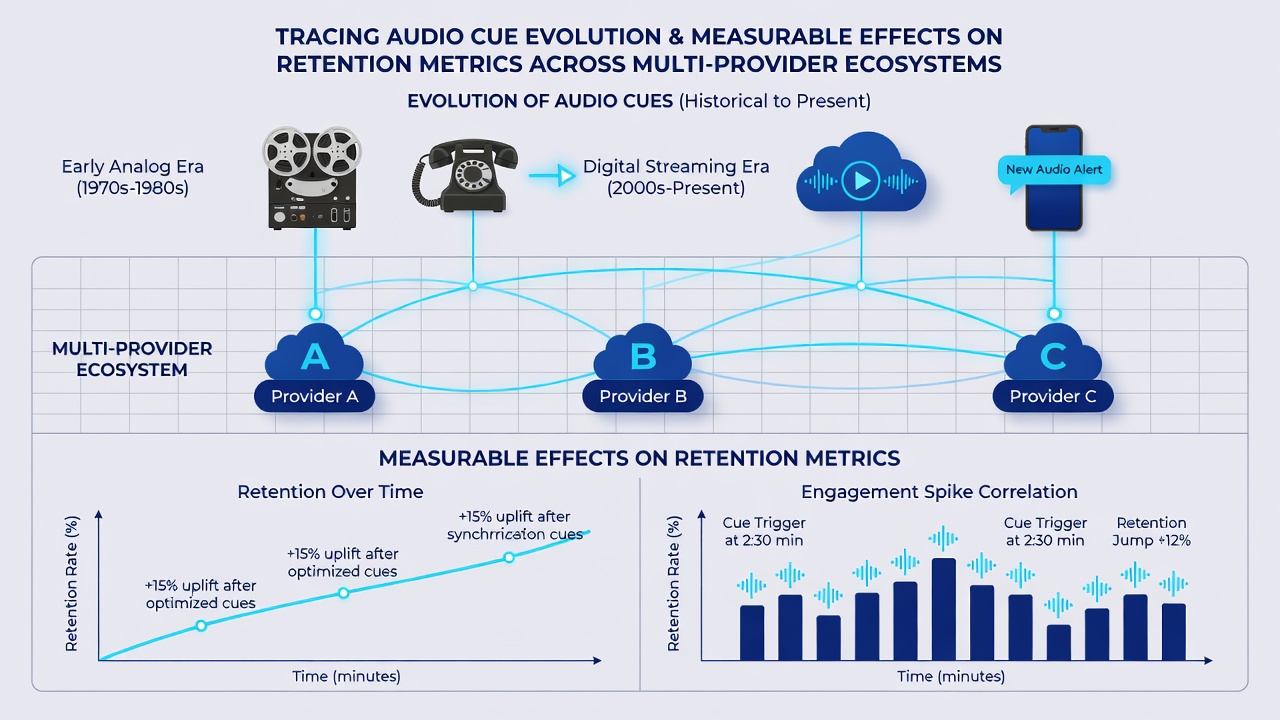
By 2024 multiple suppliers coordinated audio libraries to maintain consistency across shared reel ecosystems, using synchronized cue libraries that adjusted volume and intensity based on win frequency and bet size. Observers note that this coordination reduced auditory fatigue reports in player feedback logs, while retention metrics compiled by regional operators in Canada and Australia reflected sustained play intervals extending by an average of 14 percent when adaptive layering replaced fixed tracks. Data compiled through 2025 further illustrated that portfolios blending three or more developer sound sets maintained higher daily active user counts compared with single-provider environments.
Recent Developments Through August 2026
August 2026 saw several portfolio updates introduce real-time audio modulation tied to progressive jackpot levels and cross-game transitions, with operators reporting that these refinements coincided with a 9 percent uptick in 30-day retention across sampled multi-provider catalogs. Industry reports from the Nevada Gaming Control Board highlighted parallel trends in land-based to online crossover titles, where enhanced spatial audio cues correlated with extended engagement windows during peak hours.
Quantifiable Effects on Retention Metrics
Studies conducted by academic teams at institutions in Sweden and Singapore examined large-scale telemetry from reel platforms and identified that specific cue frequencies around 200 to 400 hertz produced stronger recall associations, leading to a documented 11 percent improvement in return rates within 48 hours of exposure. These findings align with platform data showing that titles featuring evolving audio progressions across bonus rounds sustained longer average session lengths than those with static sound design, while cross-provider consistency in cue mapping further amplified the effect by reducing player drop-off at transition points.
Regional Variations and Data Sources
European operators drawing from aggregated reports by the Malta Gaming Authority observed that portfolios incorporating culturally adapted sound layers experienced steadier monthly retention curves, whereas North American datasets emphasized the role of tempo-matched cues during high-volatility sequences in maintaining engagement. Research summaries published by the University of Nevada Reno gaming laboratory noted similar patterns, indicating that audio synchronization across developer boundaries contributed to a 6 percent reduction in early session terminations when measured against control groups.
Conclusion
Platform telemetry continues to track how audio cue refinements interact with retention across diverse reel portfolios, and operators integrate these observations into ongoing development cycles. Figures from multiple regulatory and academic sources demonstrate consistent links between adaptive sound design and extended player engagement intervals, providing measurable benchmarks for future iterations in multi-provider environments.