Networked Developer Portfolios Transform Multiplier Structures Through Shared Symbol Clusters in Mobile Gaming
Ulrich Neumann · Jun 19, 2026
Networked Developer Portfolios Transform Multiplier Structures Through Shared Symbol Clusters in Mobile Gaming
Developers integrate reel networks across separate portfolios and this integration allows shared symbol clusters to modify multiplier layering in regulated mobile environments, while regulatory frameworks in multiple jurisdictions monitor these connections for compliance. Data from industry reports shows that such networks expanded notably during the first half of 2026, with June figures indicating continued growth in cross-studio collaborations.
Mechanics of Symbol Cluster Integration
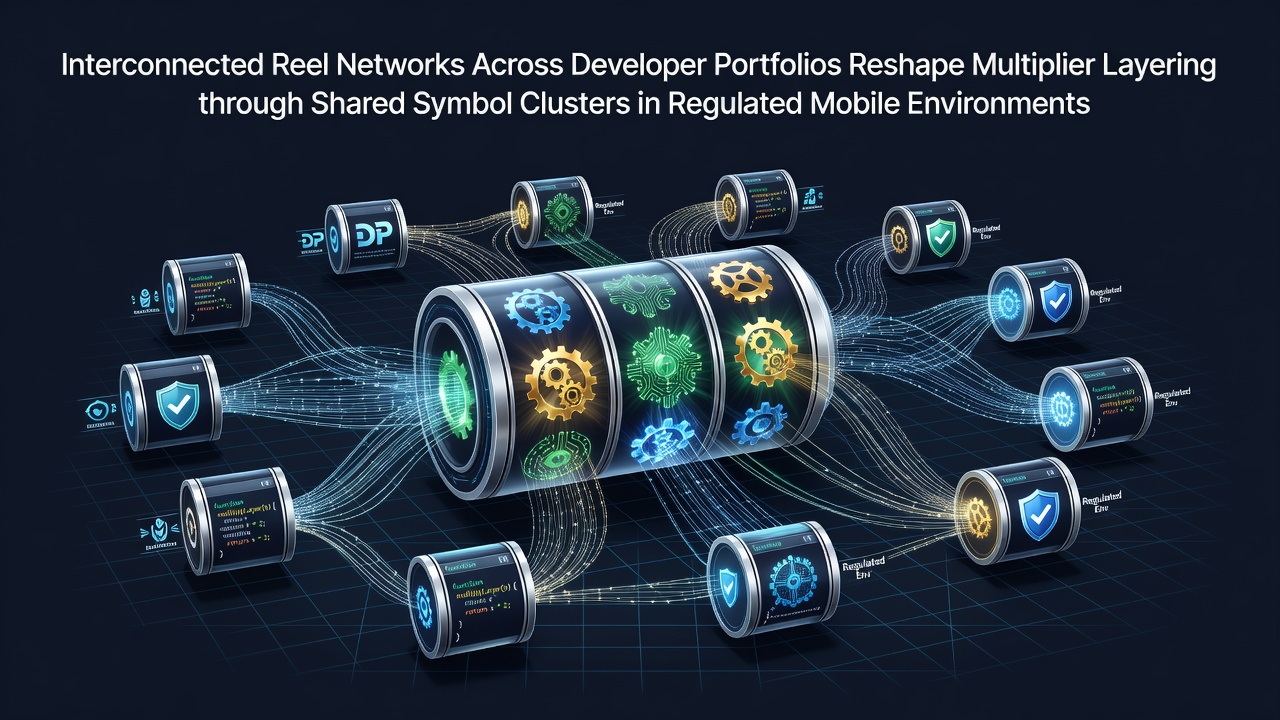
Symbol clusters operate as modular components that multiple studios embed into their reel frameworks, and this modularity permits multipliers to layer sequentially when players trigger features across different games. Research indicates that a single cluster might connect to base reels in one title while simultaneously feeding into bonus phases in another, which creates compounding effects without violating local payout regulations. Observers note that these connections rely on standardized data protocols that maintain separation between independent random number generators yet allow visual and statistical continuity.
Regulated mobile platforms require each participating developer to submit cluster data for approval, and authorities in regions such as Australia and Canada review these submissions to confirm that shared elements do not alter certified return-to-player percentages. Figures from the Australian Communications and Media Authority reveal that approved cluster deployments rose 12 percent between January and June 2026, reflecting steady adoption by major studios.
Portfolio-Wide Effects on Multiplier Layering
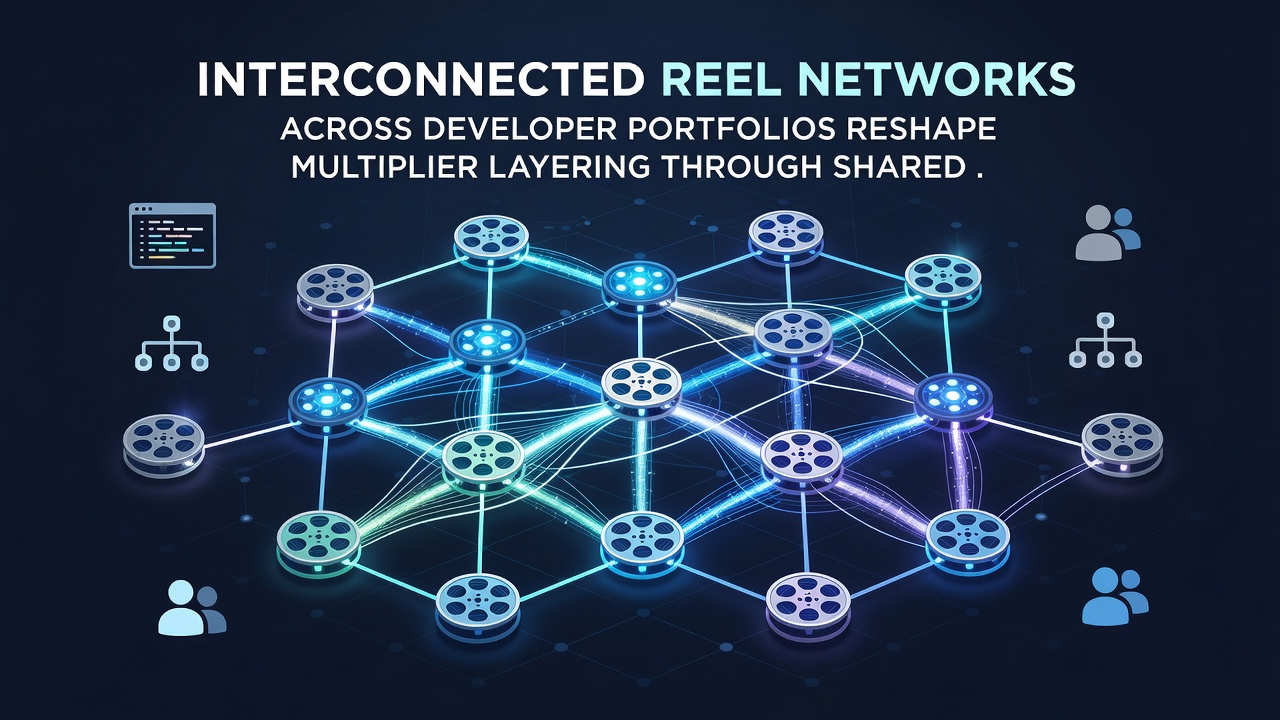
Multipliers accumulate through pathways that link clusters from various developers, and this accumulation happens when a player moves between titles within a unified ecosystem. One study revealed that a cluster originating in a base game can trigger an additional layer in a connected bonus round, thereby extending the overall multiplier sequence. Those who analyzed deployment logs found that layering depth increased from an average of 2.3 stages in 2024 to 3.1 stages by mid-2026 across tested mobile titles.
Shared clusters also enable conditional multipliers that activate only when specific symbol combinations appear in games from different portfolios, and this conditional structure encourages developers to coordinate release schedules. Data shows that synchronized launches in June 2026 produced measurable spikes in cross-title engagement metrics while remaining within established regulatory boundaries for each market.
Regulatory Oversight Across Jurisdictions
Regulatory bodies enforce distinct rules on how clusters transmit data between portfolios, and these rules differ between the United States, the European Union, and Asia-Pacific markets. The Nevada Gaming Control Board requires separate certification for each cluster instance, whereas the Malta Gaming Authority focuses on transparency of multiplier pathways across connected titles. Both approaches aim to preserve game integrity while permitting the technical efficiencies that shared clusters provide.
Industry associations such as the European Gaming and Betting Association track these regulatory variations and publish comparative summaries that help developers align their network designs with regional standards. Reports issued in spring 2026 highlighted that developers who adapted cluster architectures early encountered fewer compliance delays during mobile certification cycles.
Technical Implementation in Mobile Environments
Mobile applications host the interconnected networks through secure APIs that exchange cluster metadata without transferring player funds or altering certified outcomes. Developers implement encryption protocols that satisfy data-protection requirements in each operating region, and testing laboratories verify that these protocols do not introduce latency that affects gameplay fairness. Performance metrics collected during June 2026 indicated average response times remained below 80 milliseconds for cluster-related calculations across major carriers.
Case examples include studios that linked three separate portfolios through a common cluster set, resulting in new multiplier sequences that appear only when players access the titles on teh same device. Such sequences remain isolated from non-networked games, preserving the independent status of each title under licensing agreements.
Future Trajectory of Networked Reel Systems
Continued expansion of these networks depends on further standardization of cluster interfaces, and organizations including the International Gaming Standards Association work on specifications that would streamline approvals across borders. Projections based on current deployment rates suggest that by late 2026 more than 40 percent of new mobile titles will incorporate at least one shared cluster from an external portfolio.
Conclusion
Interconnected reel networks continue to evolve through shared symbol clusters that reshape multiplier layering while operating under established regulatory controls. Evidence from licensing records and performance data demonstrates measurable growth in these systems during the first half of 2026, with particular acceleration noted in June. Developers, regulators, and testing bodies maintain ongoing coordination to ensure that technical advancements align with compliance requirements across diverse mobile markets.