Mapping Interconnected Reward Networks Across Developer Portfolios in Mobile Progressive Gaming Environments
Theo Krause · Aug 21, 2026
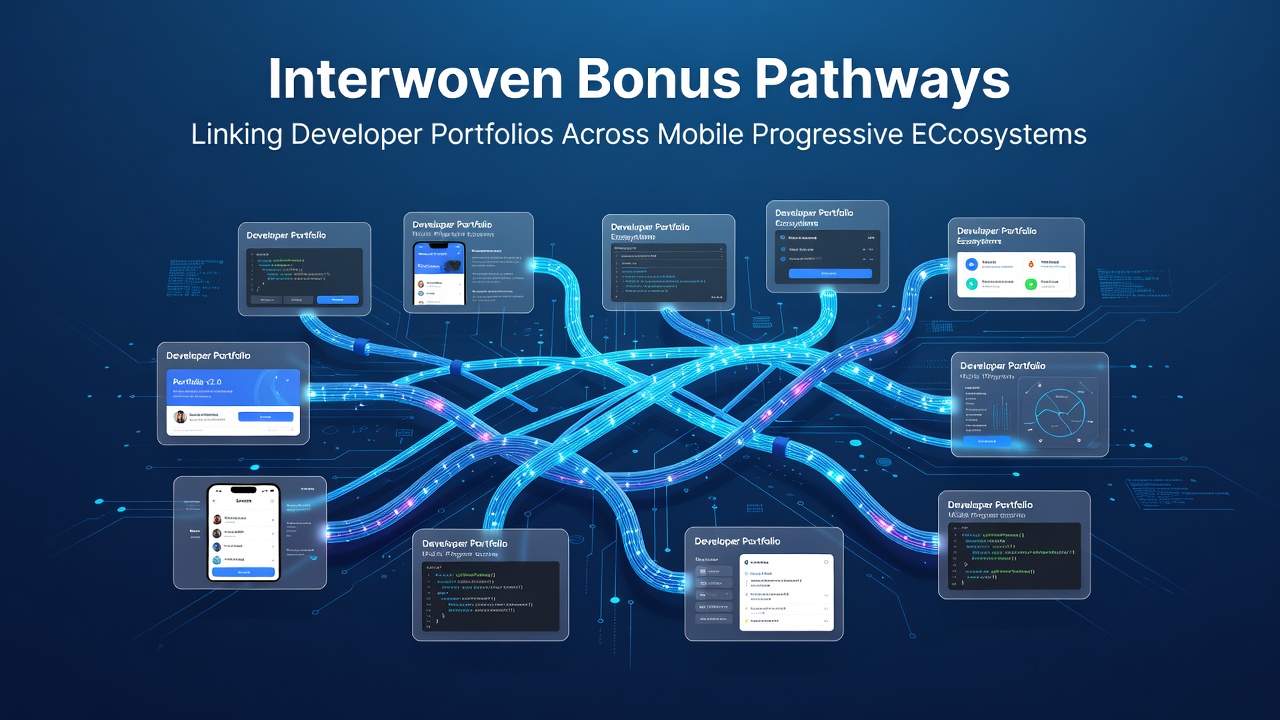
Mapping Interconnected Reward Networks Across Developer Portfolios in Mobile Progressive Gaming Environments
Developers have built layered systems where bonus features from one portfolio feed directly into progressive structures managed by another creator, and this pattern has accelerated through 2026 with multiple studios releasing cross-compatible modules that track player progress across separate applications. Data from industry reports shows that these linkages allow a single mobile session to trigger rewards originating in games produced by unrelated teams, while regulatory filings indicate that such integrations require shared certification standards enforced by bodies including the Nevada Gaming Control Board and the Alcohol and Gaming Commission of Ontario.
Core Mechanics of Linked Bonus Structures
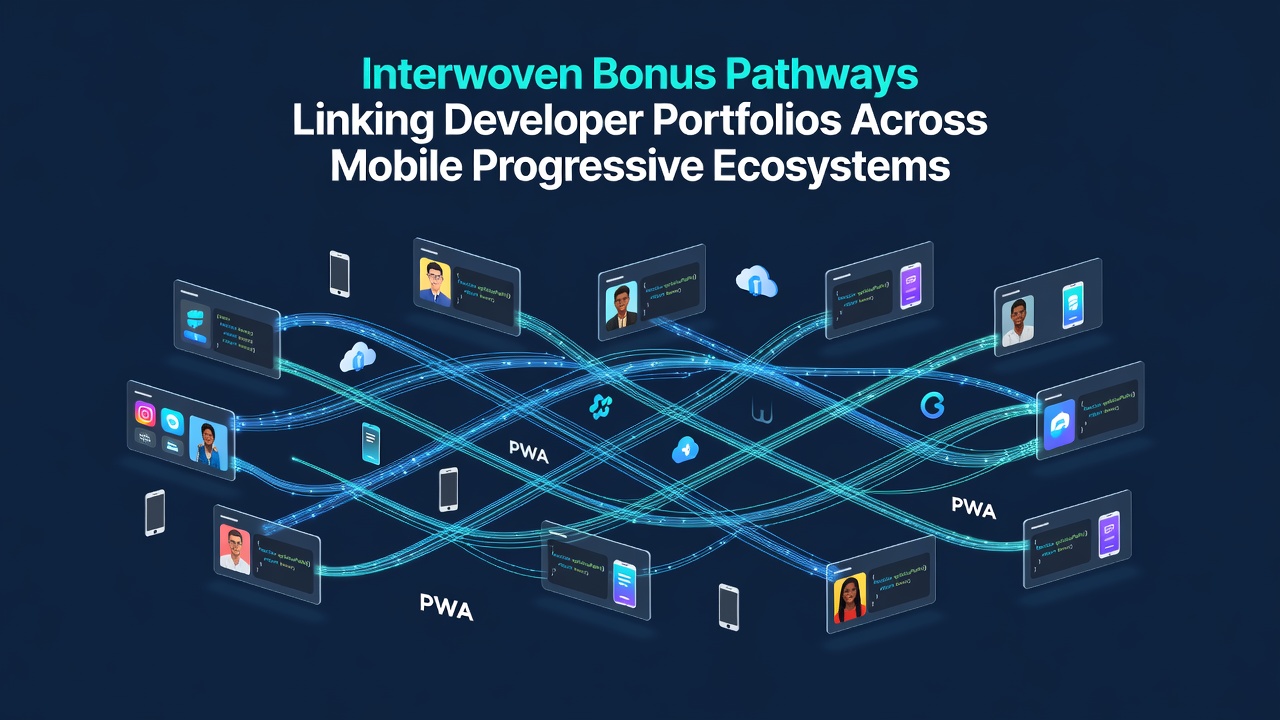
Bonus pathways operate through shared application programming interfaces that pass trigger events between titles, so a player completing a reel sequence in one developer's progressive slot can unlock a multiplier stored in a second developer's library, and observers note that this occurs without the user switching platforms because the backend systems maintain synchronized ledgers. Research indicates that these connections rely on standardized token formats adopted after 2024, allowing multipliers, free-spin allocations, and jackpot contributions to move seamlessly while each studio retains control over its own visual assets and payout tables.
Portfolio Integration Patterns Observed in 2026
Multiple developers have documented cases where three or more portfolios participate in a single bonus chain, with one studio supplying base-game symbols, another handling progressive accumulation, and a third managing the final reward distribution, and figures released in August 2026 reveal that such chains now account for measurable portions of total mobile gaming activity in several regulated markets. Those who track these ecosystems report that the linkages reduce redundant coding efforts because shared components handle common functions such as random-number verification and session-state preservation, yet each participant must still obtain separate approvals from regional authorities before deployment.
What's notable is the way mobile operating systems facilitate these connections through secure background processes that maintain continuity even when users minimize an application, and studies from academic research groups have examined how latency affects the timing of bonus handoffs between different developer servers. The Alcohol and Gaming Commission of Ontario published updated guidelines in mid-2026 that address data-privacy requirements for these handoffs, requiring explicit player consent for cross-portfolio tracking while allowing the underlying reward calculations to proceed automatically once authorization is granted.
Technical Standards Enabling Cross-Developer Connections
Industry organizations have coordinated on common data schemas that define how bonus values are encoded and transmitted, and this standardization has allowed smaller studios to participate in progressive networks previously dominated by larger entities because the technical barriers to entry have decreased. According to reports compiled by gaming associations, the number of certified cross-portfolio modules increased noticeably between January and August 2026, reflecting both technological maturity and clearer regulatory pathways in jurisdictions outside the United Kingdom.
Yet the reality is that each linkage still demands rigorous testing to ensure that random outcomes remain independent across the participating systems, and government agencies in Australia have required independent audits of teh combined random-number generators whenever two or more developers share a progressive pool. Observers note that these audits focus on the interfaces rather than the individual games, confirming that the bonus pathway itself does not introduce predictability or bias into the overall experience.
Regulatory Variations Across Regions
Regional authorities apply distinct rules to the same technical architecture, so developers must adapt their linkage protocols depending on the target market while maintaining a single codebase for the core functionality. In North American jurisdictions, emphasis falls on consumer-protection disclosures that explain how progress in one title affects rewards in another, whereas European frameworks prioritize the security of the data exchange itself. Research indicates that these differing approaches have not prevented the expansion of interconnected systems, but they have shaped the order in which new linkages receive approval.
Future Trajectory of Networked Prize Systems
Projections based on current deployment rates suggest continued growth in the number of active cross-developer pathways through the remainder of 2026, driven by both player demand for unified reward experiences and the economic efficiencies realized by studios that share infrastructure. Academic papers examining similar networked systems in other digital-entertainment sectors have drawn parallels to the current gaming landscape, noting that once interoperability standards stabilize, additional features such as shared leaderboards and collaborative challenges become technically feasible without compromising regulatory compliance.
Conclusion
The architecture of interwoven bonus pathways continues to evolve as developers refine the protocols that connect their portfolios and regulators refine the oversight mechanisms that govern those connections, and the pattern established by August 2026 indicates that further integrations will follow the same template of shared standards combined with jurisdiction-specific approvals. Those monitoring the sector expect the underlying data-exchange frameworks to support additional forms of cross-title interaction while preserving the independence of each developer's creative and mathematical contributions.