Licensing Frameworks Governing Hybrid Feature Rollouts in Transnational Mobile Gaming Portfolios
Cameron Simmons · Jul 22, 2026
Licensing Frameworks Governing Hybrid Feature Rollouts in Transnational Mobile Gaming Portfolios
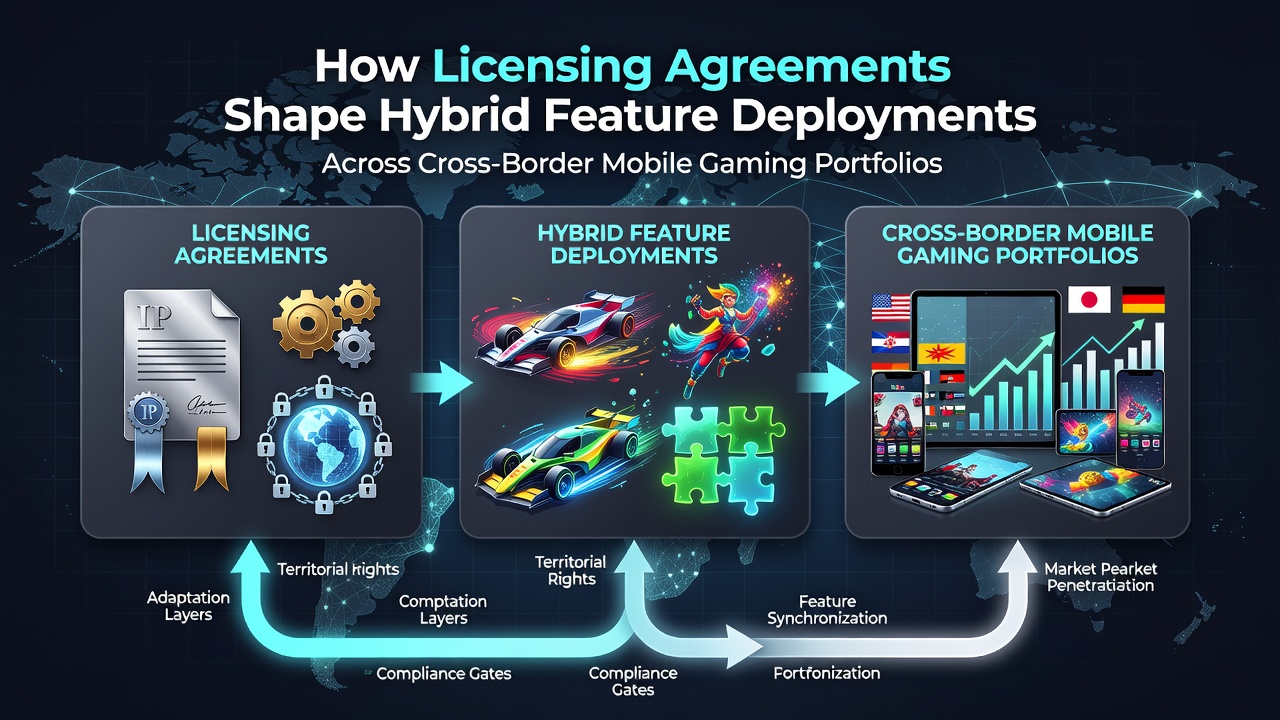
Data from mid-2026 indicates that licensing agreements continue to determine which hybrid elements reach players in cross-border mobile gaming portfolios, and developers adjust feature combinations based on regional permissions rather than technical capabilities alone. Hybrid features often combine live dealer interactions with progressive prize systems or cluster mechanics, yet each element requires separate approvals from multiple authorities before deployment.
Regulatory Variations Across Key Markets
Observers note that European jurisdictions apply distinct criteria for bonus trigger systems compared with North American or Asia-Pacific regulators, and these differences force studios to create modular versions of the same game title. A single portfolio might carry one set of multipliers in one country while restricting those same layers elsewhere because local licensing terms prohibit certain probability structures. Research from industry groups shows that compliance costs rise when portfolios span more than five regulatory zones, and developers respond by prioritizing core mechanics that receive the widest approvals first.
Impact on Feature Deployment Timelines
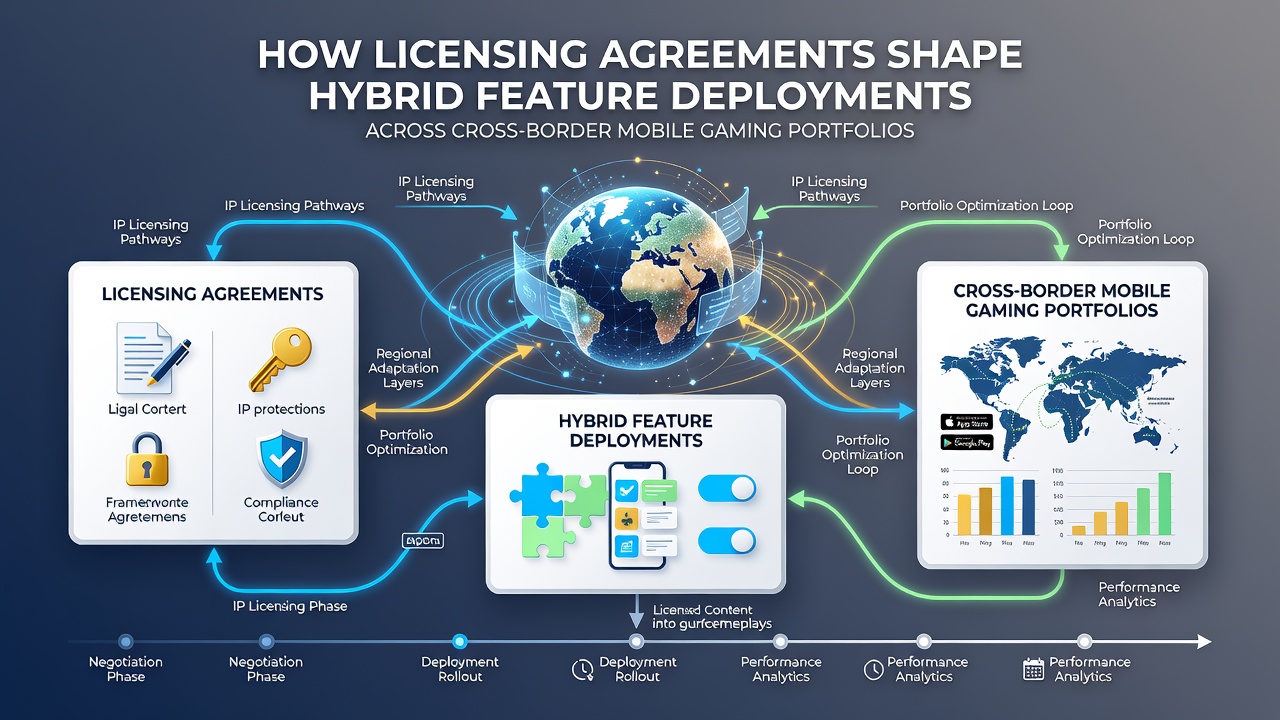
Figures from July 2026 reveal that hybrid mobile releases now average 14 months from concept to full cross-border availability when licensing negotiations involve multiple parties, and delays occur most often during the review of interconnected prize pathways. Studios coordinate with legal teams early in development cycles so that symbol cluster mechanics and live element integrations receive pre-clearance in primary markets before secondary regions review the same assets. This sequenced approach reduces rework once the initial licenses are secured.
Case Examples from Developer Portfolios
One studio that expanded its mobile collection into three new jurisdictions during the first half of 2026 found that licensing terms required separate certification for each progressive layer while allowing shared base game code, and the team therefore built a central engine with swappable feature modules. Another portfolio owner discovered that cultural symbol integrations triggered additional licensing scrutiny in certain markets, prompting the removal of specific bonus round variants from those regional builds. Such adjustments occur routinely as agreements specify which assets may travel across borders without further review.
Industry Data and Compliance Patterns
Reports compiled by the European Gaming and Betting Association document that 68 percent of surveyed operators modified at least one hybrid feature in their mobile offerings during 2025 to align with updated licensing conditions, and similar patterns appear in data released by the Australian Communications and Media Authority for the same period. These modifications frequently involve multiplier layering or bonus trigger probabilities rather than visual assets, because licensing language often addresses mathematical outcomes more stringently than graphical elements. Portfolio managers therefore maintain detailed compliance matrices that track which features remain active in each licensed territory.
Future Outlook for Cross-Border Strategies
Analysts tracking mobile gaming trends in July 2026 observe that licensing frameworks increasingly reference networked prize systems and live hybrid integrations as distinct categories, and this classification pushes developers toward earlier engagement with regulators during the design phase. Agreements that once covered only distribution rights now list specific technical parameters for feature deployment, which lengthens negotiation periods but reduces post-launch adjustments. Studios that maintain relationships wth multiple regional authorities report smoother rollout sequences compared with those negotiating on a per-market basis after initial development concludes.
Conclusion
Licensing agreements function as the primary gatekeepers for hybrid feature availability across international mobile gaming portfolios, and their terms directly shape which mechanics reach players in each jurisdiction. As regulatory bodies refine their approaches to interconnected prize pathways and live integrations, developers continue to adapt portfolio strategies to maintain compliance while preserving core gameplay experiences. Data collected through mid-2026 confirms that these frameworks remain central to deployment decisions rather than secondary considerations.