Licensing Frameworks Governing Feature Deployment in Portable Casino Applications
Ulrich Neumann · Jun 3, 2026
Licensing Frameworks Governing Feature Deployment in Portable Casino Applications
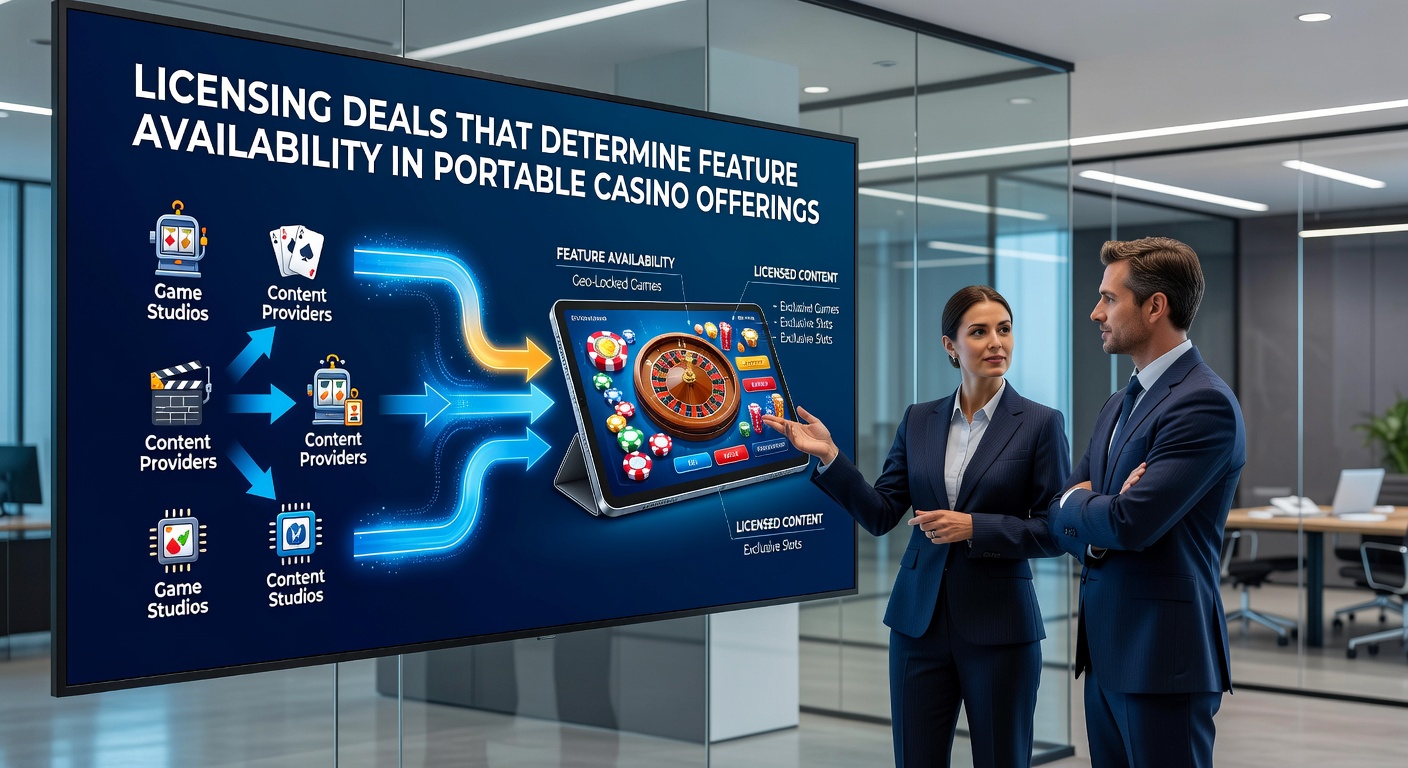
Software providers enter licensing agreements with operators that specify which game features can appear in mobile versions of casino offerings, and these contracts often tie availability to regulatory approvals in specific jurisdictions. Agreements typically outline technical requirements, revenue splits, and feature sets, while regional rules further restrict what operators can deliver to users on portable devices. Data from industry reports indicate that mobile casino revenue reached substantial levels by early 2026, with licensing terms playing a direct role in determining whether players access progressive jackpots, bonus rounds, or live dealer integrations on their smartphones.
Core Elements of Licensing Contracts
Contracts between developers and operators list permitted features alongside restrictions that arise from intellectual property rights or compliance needs, and many agreements require separate mobile certifications even when desktop versions already carry approval. Those who've examined these documents note that clauses frequently address data encryption standards, age verification protocols, and geo-location enforcement, which collectively shape the user experience on portable platforms. For instance, a provider might grant rights to a reel mechanic or multiplier system only in markets where the operator holds a valid license from bodies such as the New Jersey Division of Gaming Enforcement.
Payment structures within these deals also influence rollout timing, because revenue-share models can prioritize markets with higher player volumes and established regulatory frameworks. Observers note that operators sometimes negotiate phased releases where certain bonus triggers activate only after additional compliance audits, creating staggered feature availability across regions. Research indicates that such staggered deployments occur regularly in cross-border operations, particularly when portable apps must meet varying technical standards set by local authorities.
Regional Regulatory Influences on Feature Access
Regulators in North America and Europe impose conditions that licensing deals must satisfy before mobile features reach end users, and these conditions often require operators to disable specific mechanics like autoplay functions or certain progressive systems in particular territories. Figures from the American Gaming Association reveal steady growth in regulated mobile gaming markets through mid-2026, with licensing agreements serving as the mechanism that translates regulatory approvals into actual app functionality. In June 2026, several major operators updated their portable offerings following new compliance guidelines issued by Canadian provincial authorities, resulting in adjusted bonus structures for users in those provinces.
Similar patterns appear in Asia-Pacific jurisdictions where agreements reference standards from the Australian Communications and Media Authority, and operators adjust feature sets accordingly to maintain compliance. Data shows that markets with unified licensing processes tend to see faster deployment of interactive elements such as tournament modes or social sharing options compared with fragmented regulatory environments. Those monitoring these trends point out that licensing contracts frequently include audit rights that allow providers to verify ongoing adherence to regional rules after initial launch.
Impact on Specific Game Mechanics
Bonus round triggers, reel modifiers, and jackpot pooling systems often face the strictest limitations under licensing terms because they involve complex prize allocation logic that must align with local gaming statutes. Providers embed conditional code within mobile builds that activates or deactivates these elements based on detected user location, and operators rely on these controls to avoid violations. Studies from academic institutions examining digital gambling ecosystems have documented how such technical measures stem directly from contract language negotiated years earlier between developers and platform holders.

Take one case where experts tracked a popular branded title whose free-spin multiplier feature appeared only in select European markets after the operator secured updated licensing terms from the rights holder. The same title reached North American users with a simplified version because the original agreement limited certain probability adjustments to jurisdictions with compatible regulatory language. This pattern repeats across portfolios, where portable offerings carry pared-down mechanics until new agreements or regulatory changes permit expansion.
Industry Examples and Contract Patterns
Multiple developers have publicly described how they structure deals to cover both desktop and mobile channels while reserving rights for future feature expansions, and these structures create predictable pathways for operators seeking broader availability. Contracts often reference certification labs that test mobile builds separately, adding time between agreement signing and feature release. Evidence suggests that operators who maintain active relationships with multiple providers gain advantages when negotiating feature access because they can leverage competing licensing options.
One documented shift occurred when a major aggregator adjusted its portable catalog after securing new distribution rights that explicitly included advanced animation layers previously restricted on mobile devices. Those reviewing the transaction noted that the updated terms aligned with emerging standards from the Malta Gaming Authority, allowing wider rollout without additional regional negotiations. Such adjustments illustrate how licensing frameworks operate as gatekeepers rather than simple permission slips.
Conclusion
Licensing deals continue to function as the primary control point for feature availability in portable casino offerings, integrating technical specifications, revenue terms, and regulatory compliance into single agreements that operators must navigate carefully. As mobile platforms expand and new jurisdictions establish frameworks, these contracts evolve to address emerging requirements while maintaining the boundaries set by existing regulatory bodies and intellectual property holders. The result remains a structured system where feature access depends on the precise language negotiated between parties and the approvals granted by relevant authorities.