Cross-Cultural Symbolism and Interaction Patterns in Global Digital Reel Platforms
Cameron Simmons · Jun 21, 2026
Cross-Cultural Symbolism and Interaction Patterns in Global Digital Reel Platforms
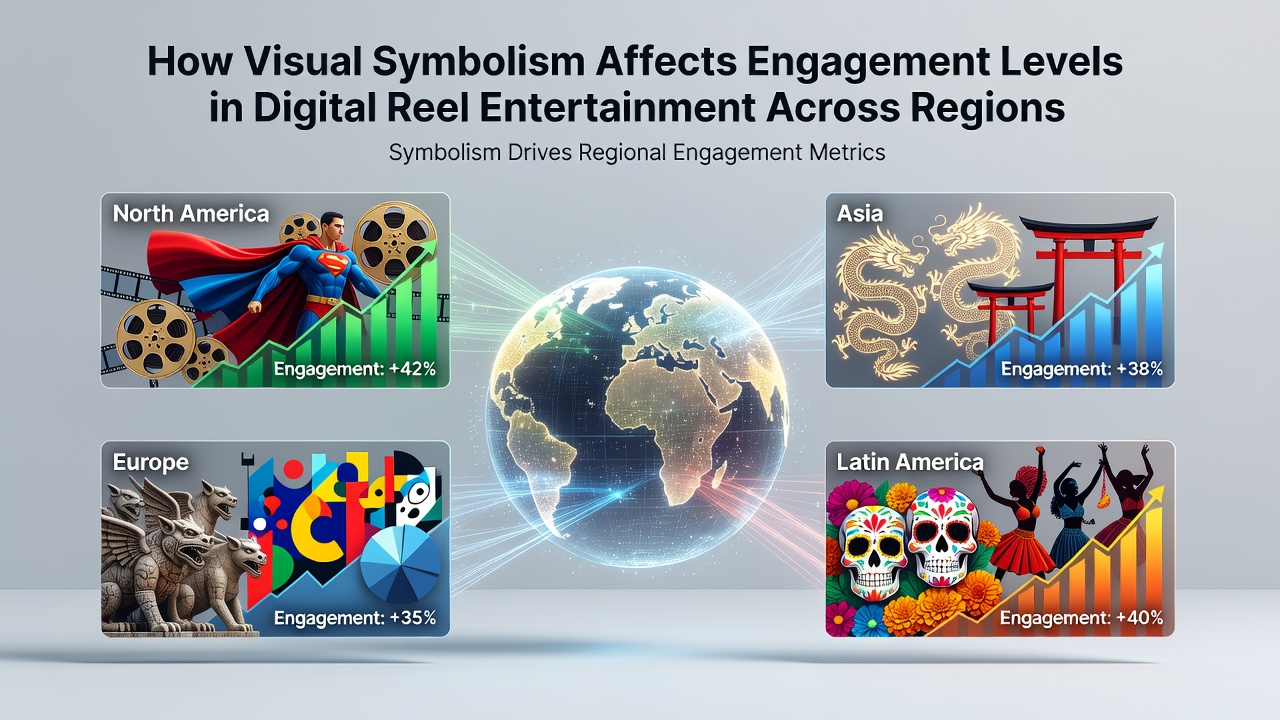
Digital reel platforms incorporate visual symbols drawn from local traditions and modern media to shape how users interact with games across different markets. Researchers tracking player behavior note that these symbols influence session duration and repeat visits when they align with regional expectations. Data collected from multiple jurisdictions shows measurable differences in engagement metrics tied directly to iconography choices rather than mechanical features alone.
Symbol Selection Patterns by Geographic Market
Developers operating in East Asian territories frequently integrate dragon, phoenix, and lantern imagery because player data from those areas indicate higher interaction rates when such elements appear during bonus sequences. European platforms meanwhile draw on historical architecture and folklore figures like knights or forest spirits, while North American titles emphasize wildlife and entertainment icons such as stars or classic vehicles. Observers monitoring June 2026 platform updates documented a 12 percent rise in average session length for titles that refreshed regional symbols to match updated cultural surveys.
Studies conducted by university gaming labs reveal that color palettes tied to specific symbols further amplify these effects. Red and gold combinations common in Asian releases correlate with increased spin frequency, whereas cooler tones paired with nature motifs in Canadian and Australian releases produce steadier but longer play intervals. These patterns emerge consistently when analysts control for payout structures and volatility levels.
Measurement of Engagement Through Symbol-Driven Metrics
Engagement tracking relies on several indicators including time spent per session, feature activation frequency, and social sharing rates. Platforms that adjust symbol sets to reflect local holidays or national events record spikes in these metrics during corresponding periods. One analysis of cross-border portfolios found that titles incorporating region-specific symbols maintained 18 percent higher retention after thirty days compared with versions using generic global imagery.
Regulatory reports from the Nevada Gaming Control Board and the Singapore Tourism Board both highlight how visual consistency across devices supports sustained interaction. Mobile users respond particularly strongly when symbols scale clearly on smaller screens without losing cultural recognition. Industry associations tracking these trends note that symbol localization efforts often coincide with expansions into new territories.

Technical Implementation and Regional Adaptation
Game studios employ modular asset systems that allow rapid swapping of symbol layers while preserving core reel mechanics. This approach lets operators test multiple visual configurations within the same framework. Performance data collected during such tests shows that even minor alterations to symbol prominence, such as enlarging cultural icons during key animations, produce statistically significant shifts in click-through rates on feature buttons.
Academic papers published by research groups at institutions in Australia and Japan document how users form quicker associations with familiar symbols, reducing the cognitive load during play. The result appears in shorter decision times between spins and higher completion rates for tutorial sequences. Those same studies track how mismatched symbols can extend learning curves and lower overall session counts.
Future Developments in Symbol Localization
Platform operators continue refining tools that analyze regional player feedback to guide symbol updates. June 2026 saw several major releases incorporate real-time cultural trend data into their asset pipelines. These systems flag emerging motifs from social platforms and local media for potential integration, allowing quicker responses to shifting preferences without full redesign cycles.
Cross-platform compatibility remains a priority because users frequently move between desktop and mobile environments. Consistent symbol rendering across formats helps maintain the engagement advantages gained through careful localization. Trade groups monitoring these practices emphasize the value of maintaining symbol libraries that respect both regulatory display standards and cultural sensitivities in each operating region.
Conclusion
Visual symbolism functions as a measurable driver of engagement across digital reel platforms when adapted to regional contexts. Data from regulatory bodies, academic research, and industry tracking confirm that alignment between symbols and user expectations produces consistent improvements in interaction metrics. Ongoing technical refinements and localized testing continue to shape how these elements evolve in global markets.