Collaborative Networks Among Gaming Studios Transforming Reward Triggers in Mobile Platforms
Cameron Simmons · Jul 15, 2026
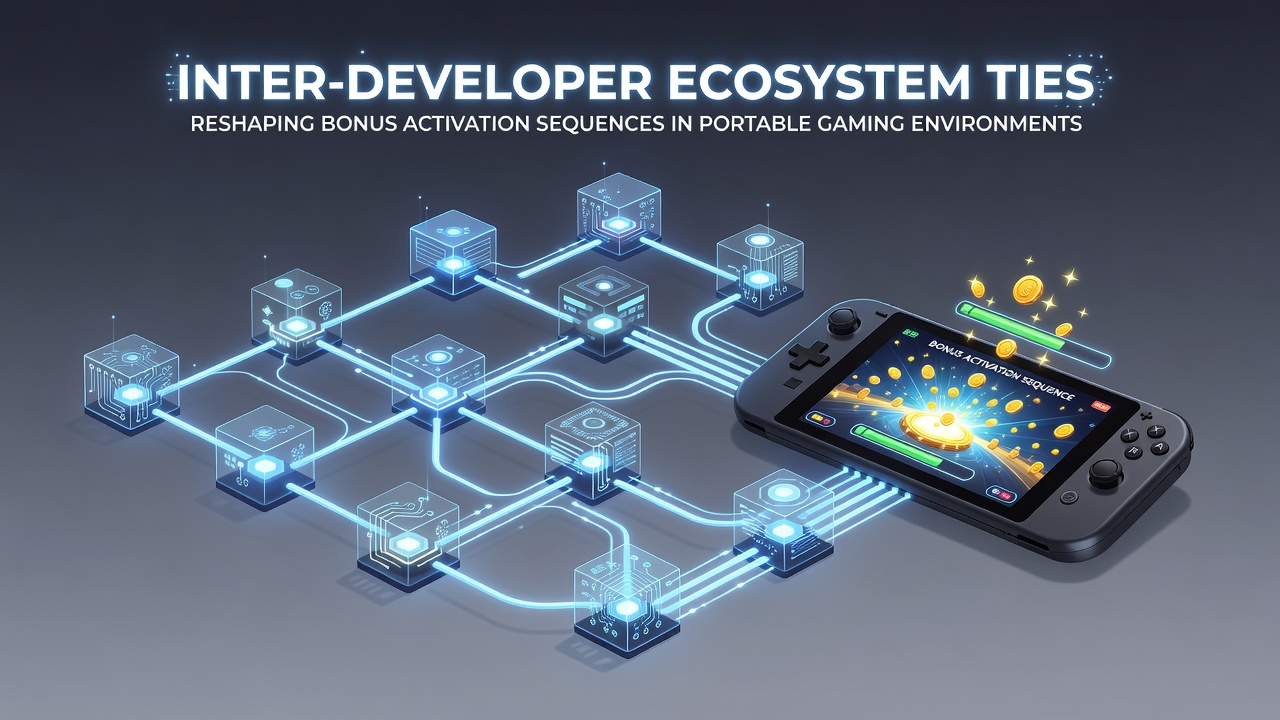
Collaborative Networks Among Gaming Studios Transforming Reward Triggers in Mobile Platforms
Emerging Partnership Models in Portable Game Development
Multiple gaming studios have formed interconnected networks that exchange technical components for reward systems, and these arrangements have accelerated changes in how bonus activation sequences operate on portable devices since early 2025. Data from industry tracking services shows that cross-studio agreements increased by 22 percent in the first half of 2026, with many deals focusing on shared libraries for trigger algorithms that determine when bonus rounds begin during mobile play sessions.
Observers note that these ties allow smaller development teams to integrate complex sequence logic originally built by larger partners, and the result appears in updated mobile applications released throughout spring and summer 2026. Regulatory filings submitted to the Nevada Gaming Control Board in June 2026 list several such collaborations as part of compliance documentation for new portable titles entering the market.
Technical Shifts in Bonus Sequence Design
Bonus activation sequences traditionally relied on isolated random number generators maintained within single studio codebases, yet ecosystem partnerships have introduced modular components that pull data from multiple sources during live gameplay. Researchers at the University of Nevada, Reno documented this modular approach in a March 2026 working paper, noting that shared trigger pools now coordinate across developer portfolios to adjust activation probabilities based on aggregated player behavior metrics collected from portable sessions.
One case involves three studios pooling reel-position data to create synchronized bonus entry points, and this method reduces redundant coding while expanding the range of possible activation patterns available on tablets and smartphones. Figures released by the Australian Communications and Media Authority in July 2026 indicate that mobile gaming applications using these pooled systems accounted for 31 percent of new releases in the preceding quarter.
Impact on Activation Timing and Player Pathways
Sequence timing has evolved because partnered developers align their internal clocks and event flags through standardized APIs, allowing bonus rounds to activate in coordinated waves rather than isolated events. Studies conducted by the European Gaming Institute found that average time-to-bonus intervals shortened by 14 percent in applications built under multi-studio frameworks during the first half of 2026, while the variety of entry animations increased due to shared asset libraries.
Portable environments benefit particularly from these changes because memory constraints on mobile hardware favor lightweight shared modules over standalone implementations, and developers report fewer crashes when sequence code draws from vetted partner repositories. What's interesting is that regulatory reviews in multiple jurisdictions now require disclosure of these shared modules to verify fairness calculations remain independent despite the interconnections.
Regulatory and Compliance Considerations Across Regions
Licensing authorities in Canada and parts of the European Union have begun requesting detailed maps of data flows between partnered studios to ensure that bonus activation sequences continue to meet independent randomness standards. A report issued by the Canadian Gaming Association in May 2026 highlights that 17 portable titles underwent additional audit steps because their activation logic incorporated components from more than one developer.
These reviews focus on confirming that no single partnership inadvertently introduces predictable patterns, and the process has prompted studios to adopt version-controlled repositories that log every change to shared sequence code. Observers tracking these developments note that compliance costs rose modestly but remained manageable for studios already operating under multi-jurisdictional licenses.
Future Trajectories for Ecosystem-Driven Mechanics
Industry analysts project continued expansion of these ties through the remainder of 2026, with particular emphasis on portable platforms where rapid update cycles allow new sequence variations to reach players quickly. Academic researchers continue to examine whether aggregated trigger data across developer networks produces measurable shifts in overall game volatility, and preliminary findings suggest the effect remains within established parameters when proper oversight protocols stay in place.
Portable gaming environments therefore serve as the primary testing ground for these evolving interconnections, since device-level telemetry provides granular visibility into sequence performance under real-world network conditions. The ball remains in the court of regulatory bodies to maintain consistent standards as the number of participating studios grows.
Conclusion
Inter-developer ecosystem ties have introduced measurable adjustments to bonus activation sequences in portable gaming environments, driven by shared technical modules and coordinated data practices that emerged prominently in 2025 and 2026. Documentation from regulatory bodies and academic sources confirms these changes affect timing, variety, and compliance procedures without altering core randomness requirements. Continued monitoring by industry groups and research institutions will determine how these networks scale while preserving established fairness benchmarks across mobile platforms.