Broadcast Elements and Prize Accumulation Networks Converge on Handheld Devices
Ellis Brooks · Jun 24, 2026
Broadcast Elements and Prize Accumulation Networks Converge on Handheld Devices
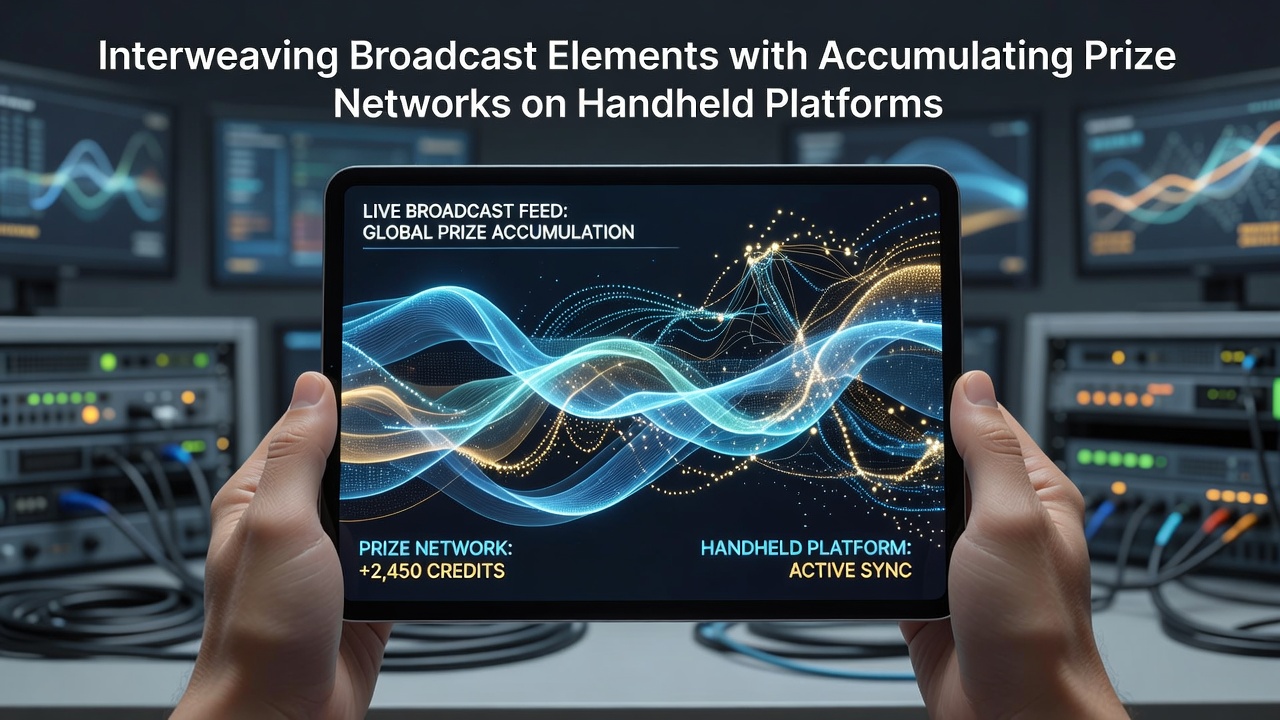
Developers continue to merge live broadcast feeds with accumulating prize systems across mobile applications, creating interactive experiences that connect real-time events to shared reward pools on handheld platforms. This approach combines streaming video elements with networked jackpot mechanics, allowing users to participate in synchronized activities while contributions build toward larger payouts. Data from industry reports indicates steady adoption rates in multiple regions as platforms expand these hybrid models throughout 2026.
Technical Foundations of Integrated Systems
Handheld devices now support simultaneous processing of broadcast streams and prize tracking algorithms through advanced APIs that link video content directly to backend servers managing contribution ledgers. Engineers at major software firms have refined latency reduction techniques so that live events trigger immediate updates in prize pools, with synchronization occurring within milliseconds on most networks. Studies from academic institutions reveal that such integrations rely on cloud-based distribution to maintain consistency across global user bases, while mobile operating systems provide the necessary hardware acceleration for smooth playback alongside data synchronization.
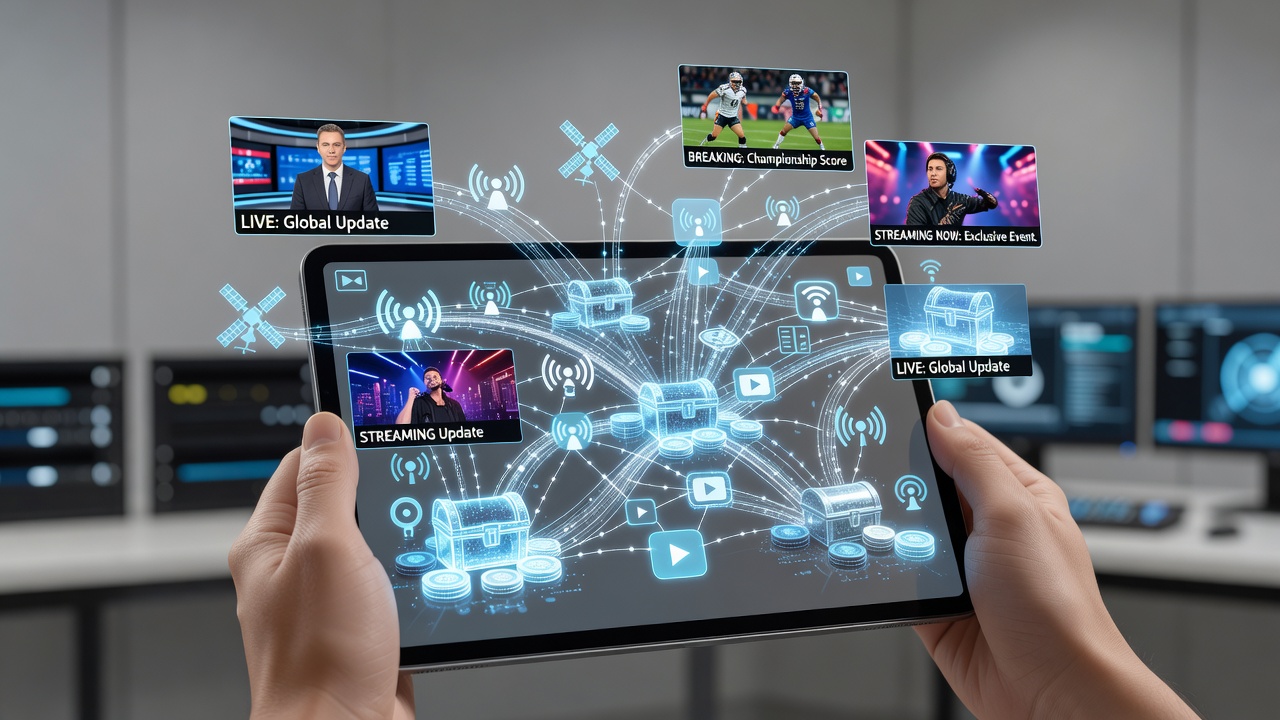
Users access these features through dedicated apps where broadcast windows occupy portions of the screen and prize meters display cumulative totals updated from collective participation. Developers incorporate encryption protocols to secure both the streaming data and financial transactions tied to prize networks, ensuring compliance with transmission standards set by communications authorities in various jurisdictions.
Examples of Platform Implementations
One prominent case involves a European developer that launched a sports-themed application in early 2026, where live match broadcasts feed into a progressive prize structure funded by viewer interactions across mobile devices. Participants watch events while their actions contribute to a shared pool, with winners determined through algorithms that factor in timing and engagement metrics. Similar systems appear in North American markets, where entertainment networks partner with gaming operators to embed prize elements into reality show streams accessible on tablets and smartphones.
Observers note that these setups often include regional variations to align with local broadcasting regulations, such as restrictions on certain live content during specific hours. In June 2026 several providers introduced enhanced features allowing users to switch between multiple broadcast angles while monitoring real-time prize growth, demonstrating how the technology adapts to user preferences without disrupting network stability.
Regulatory and Distribution Considerations
Authorities in Australia have issued guidelines through the Australian Communications and Media Authority that address how broadcast elements must separate from gambling mechanics in portable applications to prevent unauthorized promotion. These rules require clear disclaimers and age verification layers that activate before users join prize networks connected to live streams. Data compiled by the Ontario Lottery and Gaming Corporation shows increased oversight in Canadian provinces, where handheld platforms must report prize accumulation figures separately from broadcast licensing requirements.
Industry associations such as the World Lottery Association track cross-border deployments, highlighting how operators adjust network protocols to satisfy differing transmission and financial reporting standards. Research published by the University of Nevada, Reno examines the technical challenges of maintaining prize integrity when broadcast interruptions occur, noting that backup systems automatically pause contributions until streams resume.
Network Scalability and User Participation Patterns
Scalability testing conducted by software vendors demonstrates that prize networks can handle thousands of simultaneous handheld connections during peak broadcast events, with algorithms distributing contributions evenly across servers located in multiple data centers. Participation patterns indicate higher engagement during evening hours in most time zones, when live programming aligns with user availability on mobile devices. Figures reveal that average session durations extend when broadcast elements provide contextual updates about prize growth, encouraging continued interaction within the same application environment.
Engineers continue to optimize these platforms for varying network conditions, incorporating adaptive bitrate streaming that preserves prize synchronization even on slower connections common in certain geographic areas. Such adjustments support broader accessibility while preserving the core linkage between live content and accumulating rewards.
Conclusion
Integration of broadcast components with prize networks on handheld platforms represents an established development path supported by ongoing technical refinements and regulatory adaptations. Platforms operating in June 2026 reflect these advancements through expanded features that maintain separation between entertainment streams and financial systems. Available data from regulatory bodies and research sources confirms sustained implementation across regions, with emphasis on secure, synchronized operations that connect users to shared prize mechanisms via mobile interfaces.